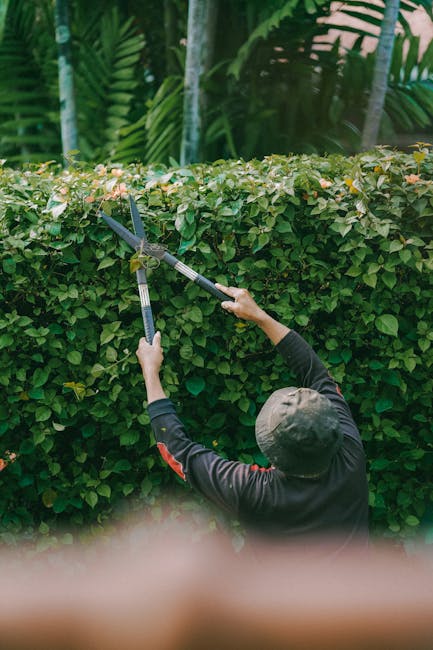
Limehouse gardeners real cost and quick quotes: what you should expect before booking
If you are trying to pin down Limehouse gardeners real cost and quick quotes, you are probably looking for two things at once: a sensible price and a fast answer. Fair enough. Nobody wants to wait three days for a vague estimate, and nobody wants a surprise bill after the hedge has been cut and the bins are full.
This guide breaks down how garden pricing usually works in Limehouse, what affects the final figure, how quick quotes are normally handled, and where people often go wrong. It also explains which services are likely to sit under a maintenance visit, which jobs need a fuller assessment, and how to compare quotes without getting lost in the jargon. Along the way, you will find practical links to service information such as pricing and quotes, garden maintenance, and services overview.
Truth be told, a good quote is not just about the lowest number. It is about clarity. What is included? What is excluded? How quickly can the work happen? And what happens if the garden turns out to be a little more "characterful" than the photos suggested?
Table of Contents
- Why Limehouse gardeners real cost and quick quotes Matters
- How Limehouse gardeners real cost and quick quotes Works
- Key Benefits and Practical Advantages
- Who This Is For and When It Makes Sense
- Step-by-Step Guidance
- Expert Tips for Better Results
- Common Mistakes to Avoid
- Tools, Resources and Recommendations
- Law, Compliance, Standards, or Best Practice
- Options, Methods, or Comparison Table
- Case Study or Real-World Example
- Practical Checklist
- Conclusion
- Frequently Asked Questions
Why Limehouse gardeners real cost and quick quotes Matters
Garden work tends to look simple from the kitchen window. Then you step outside and realise the lawn has its own ecosystem, the hedges have opinions, and last winter left behind a rather stubborn layer of debris. That is exactly why cost clarity matters. In a place like Limehouse, where gardens can be compact, awkwardly shaped, shared, or tucked behind properties with limited access, a price estimate based on guesswork can be pretty misleading.
Real cost matters because it helps you avoid two common problems: under-budgeting and overpaying for a job that should have been scoped properly. A quick quote matters because many outdoor jobs are time-sensitive. Maybe the lawn needs a cut before guests arrive. Maybe a tenant move-out is coming up. Maybe the front hedge has finally crossed the line and the neighbours are starting to notice.
There is also a trust angle here. A prompt, well-explained quote usually tells you a lot about how the gardener works. Do they ask relevant questions? Do they mention access, waste removal, and whether the quote covers labour only or labour plus materials? If they can explain the estimate clearly, chances are they will handle the job with the same kind of care.
For recurring upkeep, it is worth looking at regular garden maintenance, because repeat visits often produce steadier pricing than one-off rescue jobs. For a broader view of the available work, the services overview is a useful place to start.
How Limehouse gardeners real cost and quick quotes Works
Most garden quotes follow a fairly straightforward pattern, though the details can shift from one job to another. The gardener usually needs to know the size of the space, the type of work, how urgent it is, and whether waste needs to be taken away. If you can provide a few photos, even better. A tidy photo of the front garden in daylight tells a much truer story than a dim evening shot where the hedge looks innocent.
Quick quotes are often based on one of three methods:
- Photo-based estimates for smaller, clearer jobs.
- Site visits for larger, more complex, or access-heavy gardens.
- Hybrid quotes where an initial estimate is given quickly, then confirmed after a brief look on site.
The real cost usually reflects more than just time on the tools. A gardener may need to factor in travel, loading and disposal, specialist equipment, seasonal growth, steep access, or additional labour if the job is bigger than first expected. That is why two gardens that look similar on paper can produce very different prices.
Quick quotes are most useful when the scope is already fairly clear. A standard lawn cut, hedge trim, or tidy-up can often be priced quickly. More involved work, such as overgrown plots, large clearances, or landscaping changes, may need a more detailed assessment. If you are unsure where your job fits, checking lawn mowing, hedge trimming, or garden clearance can help you match the job to the right type of quote.
In practice, the process should feel simple: you explain the job, share the basics, receive an estimate, and confirm what is included before anyone turns up with tools in hand. Nice and clean. Or as clean as a garden job ever gets, which is to say: usually not very clean at the start.
Key Benefits and Practical Advantages
There are real advantages to getting a fast, accurate garden quote instead of waiting around or making assumptions. A good estimate saves time, reduces stress, and makes it easier to compare your options fairly.
Here is what a strong quote process gives you:
- Budget control: you know the likely spend before the work begins.
- Better planning: you can line up garden work around moving dates, events, or seasonal growth.
- Less back-and-forth: clear information cuts down on delays and confusion.
- More accurate scope: you can separate a quick tidy-up from a larger project.
- Better service fit: the quote helps identify whether you need maintenance, clearance, landscaping, or a specialist service.
That last point matters more than people realise. A garden that needs a one-off reset may be better suited to garden clearance. A patchy lawn and untidy borders might only need a maintenance visit. A tired outdoor space that needs structure may need landscaping or landscape gardening. Matching the job properly avoids paying for the wrong kind of work.
There is also peace of mind. You know where you stand. That sounds obvious, but on a wet Tuesday in Limehouse with half a garden full of cuttings and no time to waste, obvious things become important very quickly.
Who This Is For and When It Makes Sense
This topic is for homeowners, landlords, tenants, property managers, letting agents, and anyone else who needs outdoor work organised without fuss. It also suits people who are comparing gardeners for the first time and do not want to get trapped in vague wording or confusing "from" prices.
It makes sense if you are dealing with any of the following:
- an overgrown front or rear garden
- a hedge that has outgrown its boundary
- a lawn that needs regular cutting
- a one-off tidy before a sale or tenancy handover
- a garden that needs reshaping or practical improvements
- debris, brambles, or waste that has built up over time
It also makes sense if you are trying to compare routine upkeep against a one-time job. In many cases, regular care is cheaper in the long run because the garden does not get a chance to become a full-blown weekend project. Let's face it, once a garden has crossed into "needs a rake, a ladder, and some patience," the cost often rises.
For larger or more technical work, the right starting point may be something like tree lopping and removal or even decking services if the job is part of a wider outdoor upgrade. The main thing is not to force every job into the same box. Gardens rarely cooperate with neat categories.
Step-by-Step Guidance
If you want a quick quote that is actually useful, the quality of the information you provide makes a big difference. Here is the simple way to handle it.
- Define the job clearly. Say whether you need mowing, hedge trimming, clearance, a tidy-up, or something more involved.
- Share the size and access details. Mention side access, locked gates, stairs, shared entrances, or anything that could slow the work down.
- Send a few honest photos. Wide shots help, but close-ups of problem areas are useful too.
- Explain timing. If you need the job done before a move, viewing, or event, say so early.
- Ask what is included. Check whether waste removal, bagging, and disposal are part of the quote.
- Confirm the likely method. A quick estimate may be enough for maintenance, but a larger garden may need a visit.
- Compare more than price. Look at clarity, responsiveness, and whether the quote feels specific to your garden.
A practical example: if your hedge is neat on one side but rough at the back and overhanging a neighbour's fence, that is not really a simple hedge trim any more. The quote may need to account for extra access, more cuttings, and a longer cleanup. That is normal. It is not a problem. It just needs honesty up front.
If you want to understand how the business handles pricing more broadly, the pricing and quotes page is a helpful companion read. It can save you a bit of email ping-pong, which nobody misses.
Expert Tips for Better Results
After enough garden quotes, a few patterns become obvious. The better the brief, the better the estimate. Simple as that.
Use these tips to get a sharper quote:
- Be specific about outcomes. "Make it tidy" is vague; "cut lawn, trim front hedge, remove green waste" is much easier to price.
- Mention what you do not need. If you only want mowing and not edging, say so.
- Tell the truth about overgrowth. A garden that looks moderate in one photo may hide a lot underneath.
- Ask about repeat visits. If you need ongoing care, regular scheduling may be better value.
- Check whether materials are included. This matters more for landscaping or decking-related work than for basic maintenance.
One small but useful trick: take photos in daylight, ideally when the garden is dry enough to read properly. Early morning or late evening pictures can make everything look darker, smaller, or more chaotic than it is. That leads to overly cautious estimates or, worse, a quote that needs adjusting later.
If sustainability matters to you, look at how waste and recycling are handled. A garden team that thinks carefully about disposal and reuse is usually easier to work with on larger jobs. You can also check the company's recycling and sustainability approach to understand how green waste is managed in practice.
And yes, it helps to ask questions. Good questions do not make you difficult. They make the quote better. Slightly annoyingly, that is how it works.
Common Mistakes to Avoid
Most pricing headaches come from a few avoidable mistakes. None of them are dramatic, but they can make a quote far less useful than it should be.
- Choosing on price alone. The cheapest quote is not always the best value if it excludes disposal, access time, or follow-up work.
- Giving too little information. "Need the garden done" is not enough for a reliable estimate.
- Assuming a quick quote is final in every case. Some jobs need a visit, especially if there is heavy growth or restricted access.
- Ignoring the condition of the garden. A neglected space can take much longer than a tidy one, even if the dimensions are similar.
- Forgetting about safety or insurance. If a job involves ladders, trees, or heavier machinery, you should be comfortable with how the work is covered.
A common example is hedge trimming. People often assume it is a five-minute job because the hedge "is only a bit high." Then the trimmings need clearing, the shape needs restoring, and the back side turns out to be a tangle. Not a disaster, just not the same job they had in mind.
Another mistake is not checking the scope for clearance work. If you need old pots removed, branches gathered, and weeds cleared from the borders, that can move the job away from basic maintenance and towards a fuller clearance service. It is better to say this early than to tidy things up later in a rush.
Tools, Resources and Recommendations
You do not need a toolkit to request a quote, but a little preparation helps. The best "resource" is usually a clear set of photos and notes. That said, a few practical tools can make the whole process smoother.
- Phone camera: take wide shots and close-ups from different angles.
- Basic measurements: rough garden length, hedge length, or fence line can help.
- Simple notes: list access issues, pets, locked gates, or shared entrances.
- Calendar reminders: useful if you want recurring mowing or maintenance.
- Photo folder: keep all your garden images in one place for quick comparison later.
On the service side, it is often useful to think in categories. If you need a tidy and regular refresh, start with garden maintenance. If the grass is the main issue, look at lawn mowing. If the boundary is the problem, hedge trimming is the obvious fit. If the garden is heavily cluttered or neglected, garden clearance is more appropriate.
For service-specific planning, you can also browse services overview before making a decision. That tends to sharpen expectations, which saves time for everybody.
Law, Compliance, Standards, or Best Practice
When gardening work involves ladders, cutting tools, waste handling, or structural changes, best practice matters. The details can vary depending on the job, so it is sensible to think in terms of care, competence, and reasonable precautions rather than assuming every garden task is low risk.
For straightforward maintenance, the main expectation is that the work is carried out responsibly, with sensible attention to safety and site conditions. For more demanding tasks such as tree work, large clearances, or work near boundaries and structures, you should expect a clearer discussion about risk, access, and how the job will be managed.
In practical terms, this means checking the provider's approach to health and safety and insurance and safety. Those pages are useful because they show how the work is organised and what sort of standards the business expects to follow. You do not need a lecture. You just need to know the job will be handled properly.
For property owners and landlords, it is also wise to keep records of agreed scope and price, especially if the work is tied to tenancy changes, inspections, or regular upkeep. Not glamorous, admittedly, but useful. And paperwork does have its moments.
Options, Methods, or Comparison Table
Not every garden job needs the same pricing method. The right approach depends on how clear the task is, how much access is involved, and whether the work is routine or one-off.
| Quote method | Best for | Strengths | Watch-outs |
|---|---|---|---|
| Photo-based quick quote | Small to medium maintenance jobs | Fast, convenient, easy to request | Can miss hidden access issues or extra waste |
| Site visit quote | Large, awkward, or overgrown gardens | More accurate scope and pricing | Takes longer to arrange |
| Estimated range | Jobs with unknown variables | Useful when the scope is partly unclear | May still need confirmation on arrival |
| Fixed quote | Clearly defined work | Best for budget certainty | Needs a precise brief to avoid surprises |
If you are deciding between maintenance and one-off clearance, ask yourself one simple question: do I need the garden improved, or do I need it reset? That one distinction changes the whole pricing conversation.
For more extensive redesigns or functional improvements, landscape gardening and landscaping may be more relevant than routine care. And if hard landscaping elements are part of the plan, a page like decking services may come into play as well.
Case Study or Real-World Example
Imagine a small Limehouse rear garden that has been left untouched for a few months. The lawn is patchy, the hedge along the fence line is uneven, and there are a few bags of old cuttings sitting in the corner. The owner wants the space ready for weekend use and does not want a lengthy back-and-forth.
A useful quote process would start with three or four daylight photos, a note about side access, and a clear list of tasks: mow the lawn, trim the hedge, collect waste, and tidy the borders. That is enough for a quick estimate in many cases. If the photos reveal thicker growth, blocked access, or heavier clearance needs, the gardener may recommend a visit before confirming the final cost.
Now compare that with a larger front-and-back garden that includes deep borders, a tree close to the fence, and a patio area covered in debris. That kind of job may still start with a quick quote, but it will often need a more careful look. The gardener might separate the work into phases: clearance first, then maintenance, then any improvement work. That staged approach is often more realistic, and it helps keep the budget under control.
A small but telling detail: the best quotes usually sound specific. They do not just say "garden work." They say what will be done, what will be removed, and what the outcome should look like afterwards. That clarity is usually worth more than a five-pound difference either way.
Practical Checklist
Use this checklist before requesting a quote. It keeps things tidy and saves time later.
- Take clear photos of the whole garden.
- Photograph any problem areas separately.
- Note the type of work needed.
- List any access issues or locked gates.
- Say whether waste removal is needed.
- Confirm if the job is one-off or recurring.
- Explain any deadline or preferred date.
- Ask whether the quote is fixed or estimated.
- Check what is included in the price.
- Review the provider's trust and safety information.
"A good quote is not the one that looks cheapest at first glance. It is the one that still makes sense after the work is finished."
If you are ready to move from research to action, a helpful next step is to review the company's contact details and then decide which service page best matches your garden. It is a small thing, but it makes the whole process feel less like guesswork.
Conclusion
Getting Limehouse gardeners real cost and quick quotes is really about reducing uncertainty. You want to know what the work should cost, how fast you can get an answer, and whether the quote genuinely reflects the garden in front of you. When that happens, everything becomes easier: planning, budgeting, comparing options, and getting the work done without friction.
The strongest quotes are the ones built on clear information, honest scope, and straightforward communication. That is true whether you need a tidy lawn cut, a hedge trim, a full clearance, or a more involved outdoor project. Start with the right brief, compare the details carefully, and do not be rushed into saying yes before you understand what is included.
Get a free quote today and see how much you can save.
And if all you do next is take a few good photos of the garden in daylight, that is already a solid start. Sometimes the simplest move is the best one.
Frequently Asked Questions
How do I get a quick garden quote in Limehouse?
Send a short description of the job, a few clear photos, and any access details. That usually gives the gardener enough information to provide a fast and practical estimate.
What affects the real cost of garden work the most?
Garden size, overgrowth, access, waste removal, urgency, and whether the job is routine or one-off all affect the final price. The more complex the space, the more likely the quote needs adjustment.
Is a photo quote accurate enough?
Often yes for smaller maintenance jobs, but not always. If the garden is heavily overgrown, has restricted access, or includes tree work or clearance, a site visit may be more accurate.
Why do two similar gardens get different prices?
They may look similar from a distance but differ in access, waste volume, hidden growth, or time required. Small details can change the labour involved quite a bit.
Should I choose the cheapest quote?
Not by default. A low quote can be fine if it clearly includes everything you need, but it can also leave out waste removal, extra labour, or proper scope. Compare like with like.
What information should I include when asking for a quote?
Describe the work needed, share photos, mention access issues, say whether waste removal is required, and explain any deadline. Clear information usually leads to a better quote.
Do gardeners charge more for overgrown gardens?
Usually they do, because overgrowth takes longer to cut, clear, and dispose of. A neglected garden is often more labour-intensive than a tidy one, even if the space is small.
Can I get a quote for regular maintenance rather than a one-off visit?
Yes, and in many cases regular visits can be better value. Recurring garden maintenance often keeps the work lighter and the pricing more predictable over time.
What is the difference between garden clearance and garden maintenance?
Garden maintenance is for keeping a space under control with regular care. Garden clearance is usually for heavier work, such as removing accumulated waste, brambles, or severe overgrowth.
Do I need to worry about insurance or safety?
If the job involves ladders, heavier equipment, or tree work, yes, you should feel comfortable asking about it. Good providers should be able to explain how they approach safety and insurance.
How fast should I expect a quote?
For straightforward jobs, a quick response is normal. For larger or more complex work, the estimate may take longer because the scope needs a closer look.
What if I am not sure which service I need?
That is common. Start with the main problem: mowing, trimming, clearance, or a bigger garden change. Then look at the relevant service information and ask for guidance if the job sits between categories.
Where can I find more details about services and pricing?
It helps to review the services overview and the pricing and quotes page before requesting a quote. That keeps expectations realistic from the start.