
Gardening Limehouse: Recycling and Sustainability
Welcome to our focused statement on Gardening Limehouse and how we manage an eco-friendly waste disposal area and a sustainable rubbish gardening area across Limehouse and surrounding boroughs. This page describes our objectives, local partnerships, and practical steps to reduce carbon and landfill impact. Our work is centered on community-first recycling, smart garden waste processing and promoting low-carbon collections to support a greener neighbourhood. We aim to be transparent, measurable and collaborative as we build more resilient urban green spaces.Our approach to Limehouse sustainable gardening integrates municipal waste policy with doorstep services and transfer station coordination. We coordinate with the boroughs' approach to waste separation — for example, Tower Hamlets-style schemes that separate food waste, dry recycling and residuals — and we adapt those systems to garden-specific streams like woody green waste, compostables and recyclable plastics from landscaping. This means clearer sorting, better reuse and lower contamination rates so that residents and gardens benefit from higher quality recycled material.
 To set a clear goal, Gardening Limehouse has adopted a recycling percentage target of 70% by 2030 for garden-related waste streams and associated household green waste in our operational areas. That target applies to composting, mulching, tool reuse and the diversion of clean wood and green trimmings to permitted processing facilities rather than landfill. Our target is ambitious but achievable because it combines behaviour change, improved infrastructure and targeted collection improvements.
We work closely with several local transfer stations and regional waste hubs to ensure timely, compliant and low-emission handling of garden materials. Collections are routed to nearby transfer stations and composting facilities rather than long-haul landfill sites; this reduces vehicle miles and prevents unnecessary double-handling. Our operational plan includes coordination with East London transfer facilities and neighbouring borough transfer operations to streamline loads and improve processing quality.
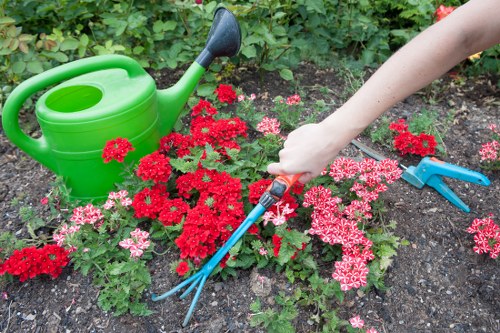 Partnerships are at the core of our sustainability program. Gardening Limehouse supports collaborations with community gardens, local charities, and grassroots organisations that accept usable soil, plants and tools. We maintain donation channels with charity-run tool libraries and community growing schemes, and we encourage residents to redirect usable equipment and surplus plants to projects that can rehome them. These partnerships reduce waste and support inclusive access to gardening resources.
To reduce emissions from collection and redistribution, we are deploying a fleet of low-carbon vans including electric and hybrid vehicles for last-mile pickups and charity deliveries. Our logistics plan emphasizes smaller, more frequent trips by low-emission vehicles rather than infrequent large drop-offs, which helps cut idling time and congestion in narrow Limehouse streets. We track vehicle emissions and prioritise zero-emission vans where infrastructure permits to align with borough carbon reduction targets.

Practical Recycling Activities and Local Initiatives
We support a range of recycling activities tailored to urban gardening sites and householders:- Green waste composting: separate garden waste collections that go to municipal or accredited composting sites.
- Wood recycling: clean branches and untreated timber shredded for mulch and biomass instead of being landfilled.
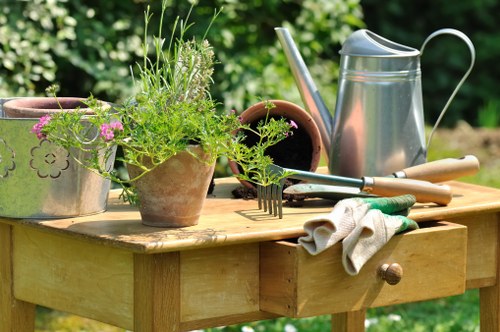
- Pot and container reuse: redistribution of plastic and terracotta pots through community exchanges and local charity networks.
- Tool refurbishment: tools repaired and loaned through tool libraries and community workshops.
These activities complement borough waste separation rules — dry recycling, food and garden fractions — and are designed to reduce contamination in mixed streams. We provide clear signage and pragmatic sorting guidance at community bins and transfer points to make the recycling process intuitive for gardeners and residents alike.

Sustainable Rubbish Gardening Area Management
Managing rubbish in gardening areas means thinking beyond collection: it requires site design, material choices and behaviour nudges. By promoting native planting, mulching and on-site composting we reduce the need for frequent bulky waste removals. Compost bins, green-waste bays and designated tool-swap shelves are part of our recommended site kit for community plots, estate gardens and private greenspaces.We also implement monitoring and reporting to measure progress toward our 70% recycling by 2030 goal. Regular audits of diverted materials, partnership donation volumes and vehicle emission logs help us track impact and refine operations. Local residents are encouraged to participate in volunteer sorting sessions and swap events that extend the life of materials and reduce overall waste production.
Conclusion: Gardening Limehouse and its partners are committed to creating an eco-friendly waste disposal area and a sustainable rubbish gardening area that supports neighbourhood green spaces, reduces carbon, and increases reuse. Through clear targets, active collaboration with transfer stations and charities, and the use of low-carbon vans, we aim to transform how Limehouse handles garden waste. Our plan is practical, community-led and measurable — and it prioritises long-term environmental benefit.