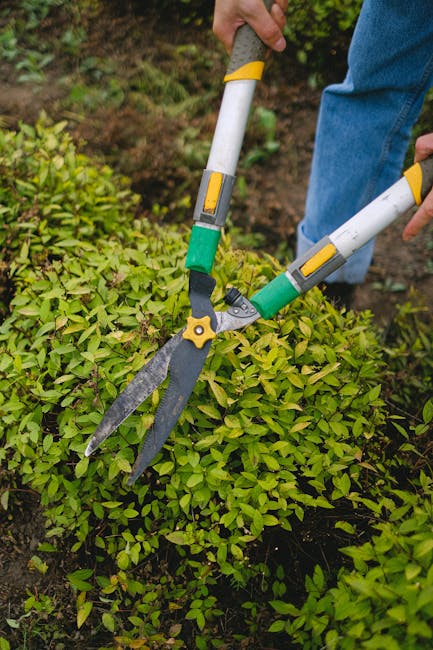
Limehouse landlord gardeners for commercial properties and flats
If you manage a block of flats, a mixed-use building, or a commercial courtyard in Limehouse, garden upkeep can quietly become one of those jobs that causes a lot of noise when it goes wrong. Untidy entrances, overgrown hedges, slippery paths, missed bin-store edges, and tired-looking planting all send the wrong message. That is where Limehouse landlord gardeners for commercial properties and flats make a real difference.
Done well, this kind of service is not just about mowing grass or trimming shrubs. It is about keeping shared outdoor space safe, presentable, practical, and easy to manage week after week. In a busy part of East London, where access can be tight and expectations are high, the right maintenance routine saves time, reduces complaints, and helps a property feel looked after rather than merely occupied.
This guide breaks down what landlord gardening actually involves, how it works in practice, what to watch out for, and how to decide which services you really need. If you are weighing up regular upkeep against one-off clearance or broader landscaping support, it should help you make a calmer, more informed decision. Let's face it, nobody wants a courtyard that looks like it gave up in November.
Table of Contents
- Why Limehouse landlord gardeners for commercial properties and flats Matters
- How Limehouse landlord gardeners for commercial properties and flats Works
- Key Benefits and Practical Advantages
- Who This Is For and When It Makes Sense
- Step-by-Step Guidance
- Expert Tips for Better Results
- Common Mistakes to Avoid
- Tools, Resources and Recommendations
- Law, Compliance, Standards, or Best Practice
- Options, Methods, or Comparison Table
- Case Study or Real-World Example
- Practical Checklist
- Conclusion
- Frequently Asked Questions
Why Limehouse landlord gardeners for commercial properties and flats Matters
Shared outside spaces work very differently from a private garden. A landlord, managing agent, freeholder, or site owner is usually balancing appearance, safety, access, budget, and tenant satisfaction all at once. In Limehouse, that can mean compact courtyards, front forecourts, roof-adjacent planting, narrow access routes, and communal areas that see constant foot traffic.
When outdoor areas are neglected, the effects show quickly. Weeds creep into paving joints. Shrubs block sightlines. Grass becomes patchy or too long to manage properly. Fallen leaves collect in corners and stay damp. One wet morning, that same tidy path can suddenly become a slip risk. It sounds simple, but these little issues add up fast.
For commercial properties, presentation matters too. A neat entrance, healthy planting, and consistent maintenance can influence how tenants, visitors, and customers feel before they even step inside. For flats, the stakes are slightly different but just as real: residents want a place that feels cared for, and managing agents want fewer complaints.
There is also a practical reason. Regular maintenance is usually easier and less disruptive than occasional big clear-ups. Small jobs done often tend to cost less in time, effort, and stress than waiting for everything to become a rescue operation. That is the bit people often learn the hard way.
For a broader view of the available support, you can also look at the company's services overview, which helps show how maintenance, clearance, landscaping, and related work fit together in one place.
How Limehouse landlord gardeners for commercial properties and flats Works
In practice, landlord gardening usually begins with a site review. That might be a walk-through of the communal garden, entrance planting, bin store edges, boundary hedges, and any paved or decked areas that need care. The aim is to understand what is there now, what is causing trouble, and what level of upkeep makes sense.
From there, the work often gets split into recurring tasks and occasional deeper jobs. Recurring tasks might include mowing, pruning, weeding, deadheading, leaf clearance, and checking that paths and entrances stay clear. Deeper jobs could involve garden clearance, hedge reduction, reshaping beds, tree work, or light landscaping improvements.
The best arrangements are usually built around access and timing. For flats, that might mean early morning visits or quieter midweek slots so residents are not disturbed. For commercial properties, it may mean working outside opening hours or scheduling around deliveries and customer flow. A tidy plan beats a last-minute scramble every time.
It also helps to agree the scope clearly. For example, does maintenance include compost removal, edging, and waste uplift, or only the visible cutting and sweeping? Does the team handle hedge trimming at the boundary, or only the internal planting? These details matter more than people expect.
If the site needs more than routine upkeep, a service such as garden maintenance can provide the regular attention that keeps things under control, while garden clearance is useful where a space has become overgrown, neglected, or simply too cluttered for day-to-day use.
Key Benefits and Practical Advantages
The obvious benefit is appearance, but there is a lot more going on underneath that. A well-maintained shared garden or frontage reduces friction for everyone involved. People are less likely to complain, the property feels more stable and professional, and you spend less time reacting to avoidable problems.
- Better first impressions: Neat planting, clean edges, and clear access paths make a property look managed.
- Lower long-term workload: Regular visits prevent the dreaded big catch-up job.
- Improved safety: Tripping hazards, low visibility, and blocked paths are easier to manage when the space is checked often.
- Less resident friction: Communal spaces are a common source of complaints, so consistency matters.
- More predictable budgeting: Planned upkeep is usually easier to cost than emergency work.
- Healthier planting: Shrubs, lawns, and borders generally respond better to steady care than to sporadic intervention.
Another nice benefit, though people rarely say it out loud, is that a tidy outside space changes how a building feels on a grey London morning. You notice it when you arrive: cleaner lines, less clutter, fewer signs of neglect. Small thing, big difference.
For properties with lawns, regular cuts through lawn mowing services help keep the space neat and usable. Where hedges are the main feature or a privacy issue, hedge trimming is often one of the most valuable routines to keep in place.
Who This Is For and When It Makes Sense
This type of service is not only for large estates or luxury developments. In Limehouse, it can make sense for a wide range of property types and management setups.
- Private landlords with one or more flats and shared outdoor areas
- Block managers responsible for communal courtyards, borders, or entrance planting
- Commercial landlords with frontages, staff outdoor areas, or access routes
- Letting agents looking to keep rental stock presentable between tenancies
- Developers or owners preparing a site for sale, handover, or occupancy
- Mixed-use buildings where residents and business users share the same external space
It makes sense when the space is being used often, when you are receiving repeated complaints, or when you notice that a quick tidy-up no longer solves the problem. That's usually the moment when occasional DIY turns into a recurring obligation. And honestly, it is rarely worth pretending otherwise.
If the site has more ambitious improvements in mind, then broader landscaping or landscape gardening may also be worth exploring, especially where the layout itself is making maintenance harder than it needs to be.
Step-by-Step Guidance
If you are organising landlord garden care for the first time, keep it simple. A structured approach avoids vague expectations and awkward surprises later on.
- Assess the site properly. Walk the area in daylight and note access points, hazards, problem corners, and seasonal issues.
- Define the purpose. Is the goal presentation, resident enjoyment, safety, or all three?
- Separate routine from one-off work. Routine tasks are things like mowing and weeding; one-off tasks may include clearance or replanting.
- Prioritise the highest-traffic areas. Entrances, paths, bin stores, and visible frontages usually deserve first attention.
- Agree frequency. Weekly, fortnightly, monthly, and seasonal visits all have different effects.
- Confirm responsibilities. Waste removal, supply of materials, and plant replacement should be clear from the start.
- Review after the first few visits. If something is being missed or over-serviced, adjust the plan early.
A good routine often starts modestly. You do not need a grand redesign on day one. In many cases, a sharp clean-up, a sensible recurring maintenance pattern, and a few small fixes will transform the space far more effectively than a flashy overhaul.
Where there is more than simple maintenance to address, a blend of maintenance, clearance, and targeted improvements tends to work better than one service alone. That practical mix is usually the sweet spot.
Expert Tips for Better Results
Here is the useful bit that often gets missed. Good site gardening is not only about the plants. It is about how people use the space, where dirt gathers, how water runs off, and which areas are always under pressure.
Tip one: focus on edges. Paved edges, fence lines, and planting borders are where neglect shows first. Once those look sharp, the whole site feels better.
Tip two: keep seasonal work ahead of the weather. Leaves, seedheads, and winter dieback are manageable when dealt with early. Left too long, they become mulch for weeds and a headache for everyone.
Tip three: don't ignore shrubs and trees just because the grass looks tidy. Overgrown hedging or unstable branches can become the real problem, especially near walkways or parking spaces. Where needed, tree lopping and removal can be part of a broader risk-managed approach, though any tree work should be planned carefully and sensibly.
Tip four: use the site's personality. A commercial frontage wants clean structure. A residential courtyard may benefit from softer planting, but it still needs clear access and easy upkeep. The best plans suit the building instead of fighting it.
Tip five: make communication easy. Residents and occupiers are much happier when they know what is being done and why. A small note about hedge cutting or leaf clearance can prevent a lot of grumbling later.
And one more, because it matters: look at the space after rain. That is when you see drainage issues, puddling, and the places where leaves quietly turn into slippery soup. Not glamorous, but very real.
Common Mistakes to Avoid
Most problems with landlord garden care come from planning gaps rather than poor gardening skills. The mistakes are usually familiar.
- Only booking reactive work: Waiting until the site looks bad usually costs more and causes more disruption.
- Skipping access checks: Tight passages, locked gates, and parking restrictions can slow jobs down if nobody has thought them through.
- Vague instructions: "Just tidy it up" is not a plan. Be specific about priorities.
- Ignoring waste handling: Cuttings, branches, and soil do not magically disappear.
- Overlooking residents' needs: Shared spaces are social spaces, so noise, timing, and visibility all matter.
- Leaving hedges too long: Once they become unruly, trimming becomes harder and less tidy.
One especially common issue is underestimating how quickly a compact courtyard can go from acceptable to unpleasant. It does not need much. A few weeks of mild rain, some wind-blown debris, and a couple of missed visits, and suddenly everything looks tired. It happens fast.
That is why pairing regular upkeep with the right supporting services, rather than treating each problem in isolation, usually gives the best result.
Tools, Resources and Recommendations
You do not need to be a gardening specialist to manage a good outcome, but it helps to understand the basic toolkit and what each service type contributes.
| Need | Useful approach | Why it helps |
|---|---|---|
| Regular presentation | Scheduled maintenance visits | Keeps the site consistently neat without large disruptions |
| Overgrown, neglected space | Initial clearance | Resets the site so ongoing maintenance can work properly |
| Boundary control | Hedge trimming | Prevents spill-over, improves shape, and keeps access clear |
| Soft landscaping refresh | Planting, edging, and layout improvements | Helps the space look intentional rather than simply maintained |
| Hard-surfaces and usable outdoor areas | Decking services and care | Improves outdoor usability around communal or commercial spaces |
If you are comparing service levels, the company's pricing and quotes page is a sensible place to understand how different scopes of work may be approached. For anyone assessing contractor quality, the pages on insurance and safety and health and safety policy are also worth reading. They help set expectations before work starts, which is always better than sorting it out after a wobble.
A practical rule: if a task affects access, safety, or resident comfort, it should be documented somewhere in the plan. That includes timings, who can authorise changes, and how urgent issues are escalated. Simple, but very effective.
Law, Compliance, Standards, or Best Practice
For commercial properties and flats, garden maintenance is not just a cosmetic issue. It can overlap with wider responsibilities around safety, access, and keeping common areas reasonably well maintained. The exact obligations will depend on the type of property, the lease structure, the management arrangement, and the condition of the site.
In the UK, the safest approach is to treat shared external areas with the same seriousness as internal communal spaces. That means checking for trip hazards, keeping exits and walkways clear, and dealing with overgrowth before it interferes with visibility or movement. If you manage a block or commercial site, that is simply part of good practice.
Best practice usually includes:
- clear written scope of works
- regular inspection of paths, entrances, and planted areas
- safe handling and removal of green waste
- appropriate scheduling to reduce disruption
- careful handling of any tree or boundary work
- record keeping for repeat maintenance and raised issues
If residents, visitors, or staff use the area daily, keep access routes clear and do not leave cuttings, soil, or tools where they can become hazards. That sounds obvious, but it is where many sites get caught out. The job is not finished when the hedge looks nice. It is finished when the space is tidy, safe, and ready to use.
For businesses and landlords who want to work with a provider that values process as well as presentation, the site's about us page gives useful context on how the service is positioned, while the recycling and sustainability page is helpful if waste handling and greener disposal matter to your building or portfolio.
Options, Methods, or Comparison Table
Not every property needs the same level of service. The right choice depends on budget, visibility, and how intensively the outdoor space is used.
| Option | Best for | Pros | Limitations |
|---|---|---|---|
| Routine maintenance only | Tidy sites with manageable planting | Predictable, cost-effective, low disruption | May not solve deeper layout or overgrowth problems |
| Clearance then maintenance | Neglected or recently acquired properties | Resets the space and creates a clean baseline | Requires a larger initial effort |
| Maintenance plus landscaping | Sites needing long-term improvement | Can make the space easier to maintain and more attractive | Usually more involved and needs planning |
| Targeted seasonal visits | Smaller sites or budget-conscious owners | Good for leaf fall, spring tidy-ups, and hedge control | Less consistent than ongoing care |
For many landlords, the sensible route is a combined one: start with a proper reset, then move into steady upkeep. That gives you something workable rather than just something pretty.
Case Study or Real-World Example
Imagine a mixed-use building in Limehouse with a small front planting area, a side access route, and a communal courtyard behind the flats. The frontage has become uneven, the hedge has outgrown its line, and the rear space has collected leaves and stray weeds around the paving.
At first glance, it looks like "a bit of a tidy-up." In reality, the problem is broader. The courtyard feels neglected, the side access is awkward for residents carrying shopping, and the frontage no longer reflects the standard of the building.
A sensible approach would be:
- clear the worst debris and any dead material
- trim the hedge back to restore shape and sightlines
- mow or neaten the lawn if there is one
- refresh the borders and remove weeds from hard edges
- check drainage and slip-prone corners
- set a recurring maintenance schedule before the site slips again
What changes most is not just appearance, but confidence. Residents can see the area is under control. Visitors see a property that is managed properly. And the landlord is no longer stuck firefighting. It sounds small. It really isn't.
If the job also includes outdoor timber features or a communal decked section, then decking services may be relevant as part of the wider upkeep plan. That is especially true where the garden and building access blend into one shared space.
Practical Checklist
Use this checklist before booking or reviewing a landlord garden service for flats or commercial premises.
- Walk the site and note all access points
- List the visible problem areas first
- Separate regular maintenance from one-off clearance
- Confirm how often the site should be visited
- Check who is responsible for waste removal
- Ask whether hedge, tree, and lawn work are included
- Make sure timing works for residents or tenants
- Review safety needs around paths, steps, and entrances
- Decide whether landscaping improvements are needed
- Set a simple review point after the first few visits
Quick expert summary: the best landlord gardening plans are not the fanciest ones; they are the ones that keep the site safe, tidy, and easy to live with. Consistency beats drama. Every time.
Get a free quote today and see how much you can save.
Conclusion
Limehouse landlord gardeners for commercial properties and flats are about far more than keeping things looking pleasant. They help you maintain order, reduce resident complaints, protect access routes, and create a better everyday experience for the people using the building. In a dense, fast-moving area, that regular attention matters.
The strongest approach is usually simple: assess the site honestly, sort the urgent work first, and then put a routine in place that matches the building's real needs. A bit of mowing here, some hedge trimming there, maybe a clearance to reset the space, and then steady maintenance after that. Nothing flashy. Just good, dependable care.
If you are planning garden upkeep for a block or commercial site, it is worth choosing a provider who understands access, scheduling, safety, and the practical realities of shared spaces. That kind of judgement is what keeps a property looking calm, lived-in, and well run.
And if you get the routine right, the garden stops being a problem altogether. It just becomes part of the building's quiet good manners.
Frequently Asked Questions
What do Limehouse landlord gardeners for commercial properties and flats actually do?
They handle the upkeep of shared outdoor spaces such as communal gardens, frontages, courtyards, planting beds, hedges, lawns, and access routes. The exact work depends on the site, but it usually includes regular maintenance, seasonal tidy-ups, and occasional clearance.
How often should a shared garden be maintained?
That depends on how quickly the site grows and how heavily it is used. Busy communal areas often need more frequent visits, while smaller or slower-growing spaces may only need monthly or seasonal attention. The right frequency is the one that prevents problems rather than constantly chasing them.
Is garden clearance the same as regular maintenance?
No. Garden clearance is usually a one-off or occasional reset for overgrown or neglected areas. Regular maintenance is the ongoing work that keeps a space tidy after that. They often work best together, especially if a site has been left for a while.
Can landlord gardeners help with flats as well as commercial premises?
Yes, and in many cases the needs overlap. Flats often need communal area care, while commercial premises may need front-facing presentation and safe access. The main difference is how the space is used and when the work can be done without disruption.
What should be included in a maintenance agreement?
It should clearly state what tasks are included, how often the site is visited, who handles waste removal, and whether extras like hedge trimming or tree work are part of the arrangement. Clear scope avoids a lot of confusion later.
Do I need landscaping, or is maintenance enough?
If the layout works but the garden has simply got untidy, maintenance may be enough. If access, drainage, planting structure, or usability is the real issue, then landscaping or landscape gardening may be the better option. Sometimes a mix of both is the honest answer.
How do I know if a site needs hedge trimming or tree work?
If hedges are blocking paths, reducing visibility, or losing their shape, trimming is usually needed. If trees are interfering with access, light, or safety, tree work may need to be considered more carefully. The key is to look at function first, not just appearance.
What are the biggest mistakes landlords make with garden care?
The most common mistakes are waiting too long, setting vague expectations, ignoring access issues, and forgetting about waste removal. Another big one is treating the garden as an afterthought until it starts generating complaints. By then, the job is harder than it needed to be.
Can outdoor decking be part of a landlord garden plan?
Yes. In some shared spaces, decking is part of the usable outdoor area and needs to be considered alongside planting and general maintenance. If it is present, it should be included in the wider upkeep plan rather than treated as a separate world.
How should I compare quotes for this type of work?
Compare the scope of work, frequency, waste handling, safety approach, and any extras included. The cheapest quote is not always the best value if it leaves out essential tasks. It is usually better to compare like with like and ask what is not included.
Is safety really a big issue for garden maintenance at flats?
Yes, because shared spaces can create trip hazards, blocked access, and visibility issues very quickly. Wet leaves, overgrown edges, and cluttered paths are all manageable, but only if someone is checking the site regularly. Safety is a big part of good garden care, even when the work looks simple.
What is the best first step if a communal garden is badly overgrown?
Start with a proper clearance and assessment, then put a realistic maintenance schedule in place. Trying to maintain a badly overgrown space without resetting it first usually leads to frustration. A clean baseline makes everything easier from that point on.