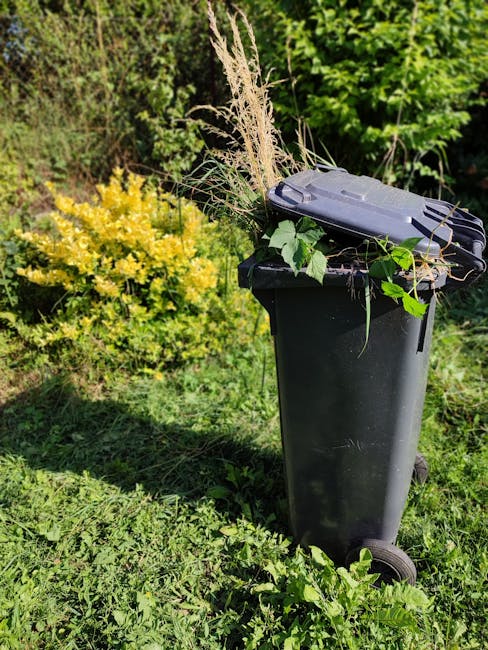
Tower Hamlets Council Rules for Garden Waste and Gardeners: A Practical Local Guide
If you are dealing with hedge cuttings, lawn clippings, prunings, soil, or the aftermath of a big tidy-up, Tower Hamlets Council rules for garden waste and gardeners can feel surprisingly specific. One minute you are just clearing a patch of green, the next you are checking what can go into the green bin, what needs separating, and what a professional gardener is expected to do. To be fair, that is exactly where most problems start: not with the gardening itself, but with disposal.
This guide breaks everything down in plain English. You will get a practical view of how garden waste is usually handled in Tower Hamlets, what gardeners need to think about, where compliance matters, and how to avoid the little mistakes that lead to delays, extra costs, or unnecessary mess. If you want a service overview before you decide what help you need, you can also look at our gardening services overview and our recycling and sustainability approach.
And yes, we will keep this grounded in real-world use, not fluffy theory. Gardens do not tidy themselves. Annoying, but true.
Table of Contents
- Why Tower Hamlets Council rules for garden waste and gardeners Matters
- How Tower Hamlets Council rules for garden waste and gardeners Works
- Key Benefits and Practical Advantages
- Who This Is For and When It Makes Sense
- Step-by-Step Guidance
- Expert Tips for Better Results
- Common Mistakes to Avoid
- Tools, Resources and Recommendations
- Law, Compliance, Standards, or Best Practice
- Options, Methods, or Comparison Table
- Case Study or Real-World Example
- Practical Checklist
- Conclusion
- Frequently Asked Questions
Why Tower Hamlets Council rules for garden waste and gardeners Matters
Garden waste looks harmless, but once it is mixed with general rubbish or dumped in the wrong place, it becomes a nuisance fast. Bags split. Compostable materials get contaminated. Pavements get blocked. Neighbours notice. The council notices too.
For households, the rules matter because they affect how you clear and store green waste before collection or removal. For gardeners, the rules matter even more because you may be handling waste on behalf of someone else, possibly across multiple visits, and that means you need a routine that is tidy, legal, and predictable.
In a dense borough like Tower Hamlets, space is tight. A pile of branches or a sack of wet grass cuttings can feel twice as large on a narrow terrace or flat access route. That is why garden waste handling is not just a disposal issue; it is also about access, timing, neighbour awareness, and keeping pathways safe.
Expert summary: The safest approach is to treat garden waste as a separate stream from household rubbish, keep it clean and dry where possible, and confirm collection or removal arrangements before any major garden job starts.
This is also where a professional, well-organised gardener makes a real difference. Good operators do not simply cut back a hedge and disappear. They plan the waste flow, think through transport, and leave the site neat. If you want to understand how a responsible local service is set up, our about us page explains our approach to practical, local work.
How Tower Hamlets Council rules for garden waste and gardeners Works
At a practical level, garden waste rules usually come down to three things: separation, presentation, and collection or disposal route. The exact details can change depending on your property type, the council's current service arrangements, and whether you are managing the waste yourself or using a gardener.
Here is the simple version. You should not assume that all green waste can go in the same container as food waste, general rubbish, or builder-style debris. Soil, turf, roots, branches, and bagged cuttings often need different handling. Thick woody material, for example, behaves very differently from soft clippings when it comes to storage and transport. It smells different too, especially after a wet week. Anyone who has lifted a black bag of lawn cuttings on a warm day knows exactly what I mean.
Gardeners working in Tower Hamlets should also think about the job as a service chain:
- inspect the outdoor area and identify waste types early
- separate reusable green material from contaminated waste
- bag, bundle, or load materials safely
- keep paths, entrances, and shared spaces clear
- confirm whether waste will be collected, composted, reused, or removed off-site
That may sound obvious, but the small details are where good jobs become great ones. A tidy hedge prune is one thing. A hedge prune plus a clean exit route, no loose twigs, and no overloaded sacks is another.
If the work involves more than routine maintenance, it is worth checking pricing and service details early. Our pricing and quotes information can help set expectations before you book anything significant.
Key Benefits and Practical Advantages
Following the right garden waste process is not just about avoiding trouble. It genuinely makes garden care easier, cleaner, and less stressful.
1. Cleaner outdoor spaces
When waste is removed correctly, the whole garden feels calmer. Borders look sharper, patios become usable again, and the space stops looking half-finished. That matters a lot in small London gardens where every square metre counts.
2. Better hygiene and fewer pests
Wet waste left in a heap can attract flies, smell unpleasant, and break down in ways that create a mess. Proper handling reduces that risk. No one wants to open a side gate and be hit by a whiff of rotting grass. Not glamorous, but real.
3. Lower risk of complaints
In shared housing, terraces, flats with communal access, or close-terrace streets, careless waste storage can cause friction. A tidy process helps avoid complaints from neighbours, landlords, or managing agents.
4. Safer working conditions
Garden waste can hide sharp bits, slippery leaves, broken pots, and heavy loads. A structured process reduces lifting injuries, trips, and cut hands. Safety is not a bonus here; it is part of the job. Our health and safety policy and insurance and safety information explain the standards we work to.
5. More sustainable garden maintenance
Much of the value in green waste comes from keeping it clean enough to recycle, compost, or repurpose sensibly. That is better for the environment and usually better for the garden too, because good waste management encourages tidy pruning rather than wasteful overcutting.
Who This Is For and When It Makes Sense
This topic is relevant to more people than you might think. It is not only for full-time gardeners or major landscaping jobs.
- Homeowners who are clearing seasonal growth, hedges, or small trees
- Tenants who need to keep outdoor areas tidy and avoid problems with disposal
- Landlords and letting agents responsible for outdoor upkeep between tenancies
- Property managers dealing with shared gardens or access routes
- Gardeners and landscapers who need a consistent waste process on every job
- Older residents or busy households who want the work handled properly from start to finish
It also makes sense whenever a garden job is bigger than a quick sweep-up. If you are cutting back growth after a long gap, replacing plants, restoring a neglected border, or clearing a garden after a move, waste planning matters right away. Nobody enjoys a beautiful end result with a pile of bags still sitting by the fence.
For people who prefer a straightforward, managed service, it can help to understand how requests are handled and what support is available through our contact us page.
Step-by-Step Guidance
If you are unsure where to begin, use this practical sequence. It keeps things simple and avoids the common last-minute scramble.
- Identify the waste type. Separate grass cuttings, leaves, prunings, branches, soil, and any non-garden material. A broken plant pot is not the same as green waste.
- Check what needs isolating. Keep contaminated waste away from recyclable green material. Plastic ties, old compost bags, and general rubbish can spoil a load quickly.
- Decide whether the waste stays on site or leaves the property. Small amounts may be suited to local collection arrangements. Larger jobs usually need a removal plan.
- Bundle or bag safely. Use manageable loads. Overfilled bags tear, and awkward bundles are miserable to carry down stairs. Simple as that.
- Keep access routes clear. Front paths, shared hallways, and driveways must stay usable and safe during the job.
- Confirm the disposal route before starting. Will the waste be composted, removed in a vehicle, or handled as part of a booked garden service?
- Do a final sweep. Check edges, beds, paving, drains, and corners. The smallest twig seems to love hiding behind a plant pot.
If you are organising a larger maintenance visit, you can also review practical service expectations in our services overview and then match the job to the right level of support.
Expert Tips for Better Results
There are a few habits that make garden waste management much smoother. They are not dramatic, just effective.
Keep green waste as dry as possible
Dry waste is lighter, cleaner, and easier to handle. If you can store cuttings under cover for a short time without creating a damp heap, you will usually get a better result. Wet bags are heavier than they look. Sneaky, really.
Prune with disposal in mind
Instead of leaving all shaping for the end, think ahead. If a shrub is likely to generate bulky branches, cut in stages and stack logically. This saves time when it comes to loading or bundling.
Separate reusable organic material
Some clippings and leaves may be suitable for composting or mulching, depending on the plant material and condition. That is particularly useful in private gardens where sustainability matters. A little planning goes a long way.
Protect shared areas
In tower blocks, maisonettes, and terraced streets, waste handling should never block entrances or create slip hazards. One wet leaf on a step is enough to cause a problem. One. That is all it takes.
Use clear communication
If you employ a gardener, be specific about what should be removed, what should stay, and where waste can be staged before collection. Misunderstandings often start with vague instructions and end with extra work.
Think about seasonal timing
Spring growth, autumn leaf fall, and post-storm cleanup all create different volumes of waste. If you know the garden is going to produce a big flush, schedule work before it becomes a backlog.
For clients who care about environmentally sensible practice, our recycling and sustainability approach may be a useful read before planning a bigger garden project.
Common Mistakes to Avoid
The biggest problems are usually not dramatic. They are small, ordinary mistakes that pile up.
- Mixing garden waste with general rubbish. This can make disposal harder and may spoil otherwise recyclable material.
- Overfilling bags. Heavy bags split, and then you have two jobs instead of one.
- Leaving waste in access routes. Shared paths, steps, and entrances must stay clear.
- Ignoring soil and root matter. These often need different handling from grass or leaves.
- Assuming every garden service includes removal. Some do, some do not. Confirm it first.
- Forgetting about weather. A neat pile in dry weather can become a soggy mess after a night of rain.
- Not checking site-specific rules. Flat developments, landlords, and managing agents sometimes have their own expectations on top of council arrangements.
One slightly funny but painfully real mistake: people often tidy the visible parts of a garden and then forget the side return, the shed corner, or the strip behind the bins. That is where the awkward little pile ends up sitting for days. We have all seen it.
Tools, Resources and Recommendations
You do not need a huge amount of kit to manage garden waste well, but a few practical tools make a noticeable difference.
| Tool or item | Why it helps | Best used for |
|---|---|---|
| Strong garden bags | Helps contain leaves, grass, and light clippings without tearing | Routine maintenance and smaller clear-ups |
| Tarpaulin or ground sheet | Makes it easier to gather cuttings and keep pathways cleaner | Pruning jobs and hedge work |
| Pruners and loppers | Allow cleaner cuts and manageable bundle sizes | Hedges, shrubs, and woody stems |
| Wheelbarrow or sturdy tub | Reduces repeated lifting and carrying | Heavier or repeated waste movement |
| Gloves and eye protection | Helps reduce cuts, splinters, and debris injuries | Most hands-on garden jobs |
If you are unsure whether a job needs simple maintenance or full removal support, it is sensible to review service scope first. Our pricing and quotes information can help you match the task to the right level of work, without guessing.
For homeowners who prefer to keep things orderly, one useful habit is to set up a small staging area before cutting begins. Nothing fancy. Just a clear space for bags, bundles, and tools. It saves time, especially in tight gardens where every step counts.
Law, Compliance, Standards, or Best Practice
This is one of those topics where careful wording matters. Council arrangements, collection schedules, and acceptable presentation rules can change, so the safest practical advice is to check the current Tower Hamlets guidance before arranging major disposal or booking work that creates a large volume of waste.
For gardeners and residents, the key compliance principles are usually consistent even where service details differ:
- keep garden waste separate from general household rubbish where required
- do not block shared access areas, pavements, or entrances
- present waste safely and securely for collection or removal
- avoid fly-tipping or leaving loose waste in public spaces
- manage site cleanliness so that no one is put at risk
From a professional point of view, best practice also includes:
- clear communication before work starts
- safe lifting and carrying methods
- appropriate insurance for work on client property
- respect for privacy, neighbours, and communal rules
- responsible disposal and recycling where feasible
If you are hiring help, ask how waste will be managed and whether the provider has sensible procedures for safety, payments, complaints, and privacy. Those details sound boring until something goes wrong, and then they suddenly matter a lot. You can review our terms and conditions, payment and security information, and privacy policy if you want a clearer picture of how we operate.
Options, Methods, or Comparison Table
Depending on the size of the job, you normally have a few different ways to manage garden waste. The best choice depends on volume, timing, and how much effort you want to spend yourself.
| Method | Best for | Pros | Watch-outs |
|---|---|---|---|
| Routine bagging for collection | Small to medium green waste volumes | Simple, inexpensive, easy to manage | Can be awkward if bags are too heavy or weather is wet |
| On-site composting | Private gardens with space and suitable material | Sustainable, low-cost, useful for soil improvement | Not ideal for all waste types or very limited spaces |
| Professional removal as part of garden work | Busy households and larger clear-ups | Convenient, tidy, less lifting for the client | Depends on service scope and may cost more |
| Phased clearance over multiple visits | Overgrown gardens or complex access | More manageable, less disruption, easier to sort waste | Takes longer and needs good communication |
In a compact London setting, professional removal is often the most practical option when there is a lot of hedge cuttings, thick material, or awkward access. But composting can be excellent for straightforward green waste where space allows. Truth be told, the right method is the one that fits the garden, not the one that sounds nicest on paper.
Case Study or Real-World Example
Picture a small terraced garden in Limehouse after several months without proper maintenance. The lawn is patchy, the back border is full of fallen leaves, and a privet hedge has grown into the path. Nothing dramatic. Just one of those gardens that quietly got away from someone during a busy season.
In a job like this, the work usually goes better when the gardener breaks it into stages. First, cut back the hedge and gather the trimmings onto a sheet. Next, separate the softer green material from thicker woody branches. Then clear the path, sweep the patio, and remove the final scraps before they spread through the house on someone's shoes. You can almost hear the difference when the garden is clean again: less crunch underfoot, less rustle in the corners, more space to breathe.
What made the process smoother was not just the cutting. It was the waste plan. The client knew in advance what would be removed, what would stay for composting, and how access would be protected. That sort of clarity saves time and prevents those slightly awkward conversations at the end of a long day.
In our experience, that is the part people remember. Not the formal checklist, but the fact that the garden felt manageable from the start.
Practical Checklist
Use this before, during, or after a garden job to keep things tidy and compliant.
- Confirm what type of garden waste is being produced
- Separate green waste from general rubbish and non-organic debris
- Decide whether waste will be composted, collected, or removed off-site
- Keep access points, paths, and communal areas clear
- Use safe, manageable bag sizes and bundles
- Check whether the job needs one visit or several
- Protect shared spaces from mud, debris, and slip hazards
- Confirm who is responsible for disposal before work begins
- Make sure the final sweep includes borders, corners, and hidden spots
- Review provider terms, insurance, and payment expectations if hiring help
Useful reminder: if the job is bigger than a quick trim, planning the waste route first will almost always save time later. Almost always.
Conclusion
Tower Hamlets Council rules for garden waste and gardeners are really about doing a simple thing properly: keep green waste separate, handle it safely, and make sure it ends up in the right place. Once that process is clear, the whole garden job feels easier. Less stress, fewer surprises, cleaner results.
For residents, that means tidier outdoor spaces and fewer disposal headaches. For gardeners, it means better workflow, safer sites, and more professional results. And for anyone managing a small London garden, that can be the difference between a half-finished clear-up and a space you actually want to use again.
If you are planning a garden tidy-up, hedge cut, seasonal clearance, or ongoing maintenance, it helps to work with a team that treats waste management as part of the service, not an afterthought. If you want to talk through a job or arrange next steps, please use our contact us page.
Get a free quote today and see how much you can save.
Good garden work should leave you with a lighter load, a better view, and a bit more peace when you look outside the window the next morning.
Frequently Asked Questions
What counts as garden waste in Tower Hamlets?
Garden waste usually includes grass cuttings, leaves, branches, hedge trimmings, weeds, plant clippings, and similar organic material. Soil, rubble, plastic plant pots, and general household waste are normally treated differently, so they should be separated early.
Can a gardener take away garden waste for me?
Yes, many gardeners can arrange removal as part of the job, but it should always be confirmed in advance. Ask what is included, where the waste goes, and whether disposal is covered in the quoted price. Never assume, because assumptions are where the muddle starts.
Do I need to separate green waste from other rubbish?
Usually, yes. Separating green waste makes disposal easier and helps avoid contamination. It is also a better habit for sustainability and often leaves the site tidier at the end of the work.
What should I do with soil and turf?
Soil and turf often need different handling from lighter green waste such as clippings or leaves. If you are removing a lot of it, ask how it should be stored, bagged, or collected. Heavy material can become awkward very quickly.
Is composting a good option for garden waste?
Composting can be excellent for suitable green material if you have space and a sensible system. It is not always practical for every household, especially in smaller gardens, but for many private gardens it is a good way to reduce waste and improve soil later on.
What are the most common mistakes gardeners make with waste?
The most common mistakes are overfilling bags, mixing waste types, blocking access routes, and failing to agree who will remove the waste. These are all avoidable with a little planning. Nothing fancy, just clear communication.
How can I reduce the amount of garden waste I produce?
You can reduce waste by pruning more regularly, composting suitable material, mulching leaves where appropriate, and planning garden design so that maintenance is easier over time. Smaller, regular jobs usually create less waste than one giant clear-out.
Do Tower Hamlets rules affect landlords and managing agents?
They can, especially where outdoor areas are shared or where garden maintenance is part of property management responsibilities. Landlords and agents should ensure outdoor spaces are kept safe, clean, and handled according to any applicable local arrangements.
What should I ask before booking a gardener?
Ask what the service includes, how waste will be handled, whether removal is included, whether insurance is in place, and what happens if the job turns out bigger than expected. Those questions save awkwardness later.
How do I know if a garden clearance is too big for a simple tidy-up?
If there are large volumes of branches, long-neglected beds, dense overgrowth, or awkward access, it is probably beyond a simple tidy-up. In that case, phased work or professional removal is usually the better option.
Why does garden waste matter so much in a borough like Tower Hamlets?
Because space is limited, access can be tight, and shared areas are common. A small amount of carelessness can create inconvenience quickly. Good waste handling keeps the job neat, safe, and neighbour-friendly.
Where can I find more information about your policies and service standards?
You can review our health and safety policy, insurance and safety information, terms and conditions, and privacy policy to understand how we work and what you can expect.